One playlist can contain completely different sides of the same listener.
Someone may begin the morning with cheerful pop, choose hip-hop when they need confidence, play R&B during a quiet commute, and end the day with a ballad that gives them space to think.
That does not mean their personality changed four times.
Researchers have found broad connections between musical preferences and personality traits, but a favorite genre cannot completely define a person. Music choices are also shaped by mood, culture, memories, surroundings, and what someone needs at a particular moment.
Instead of asking what a genre proves about someone’s personality, it may be more useful to ask:
What does this sound offer, and why might a listener connect with it?
This guide does not cover every genre or subgenre in music. It focuses on several common sounds heard in contemporary P-pop.
Some sections cover broad genres, while others describe song styles, arrangements, or cultural influences commonly heard in P-pop.
Is P-pop a genre?
P-pop broadly refers to Philippine popular music. In current online and fandom use, the term is often closely associated with the modern Filipino idol scene, although it is not limited to idol groups.
It may be called a genre in everyday media language, but P-pop does not have one fixed musical sound.
A P-pop artist can release dance-pop, R&B, hip-hop, rock, ballads, or music influenced by Filipino traditions. Two groups may belong to the same P-pop movement while sounding completely different from each other.
Billboard Philippines has described the present scene as having a genre-spanning sound, with artists building distinct identities within the same industry.
This means P-pop tells us more about the cultural and musical scene an artist belongs to, while labels such as R&B, rock, hip-hop, and dance-pop describe what a particular song sounds like.
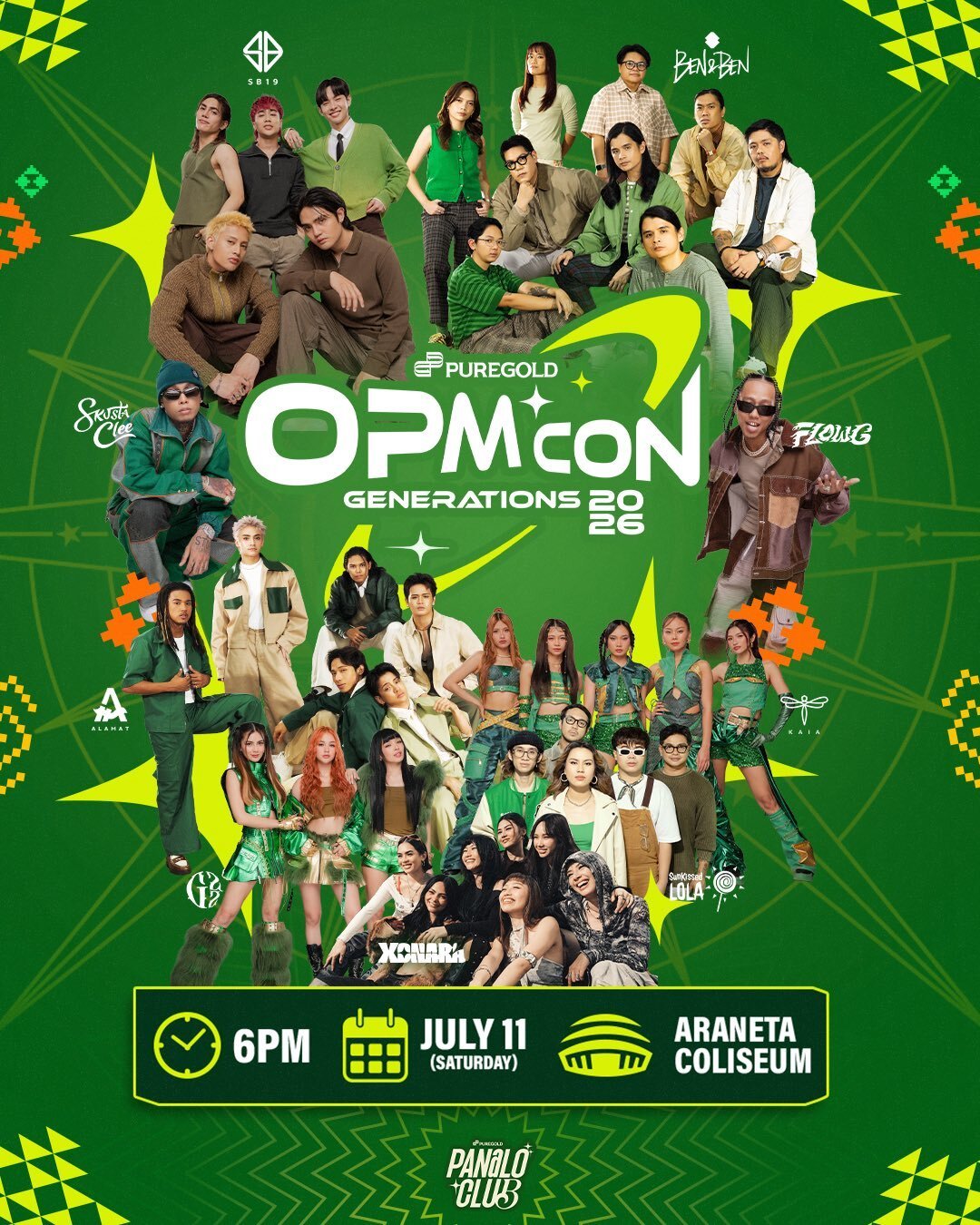
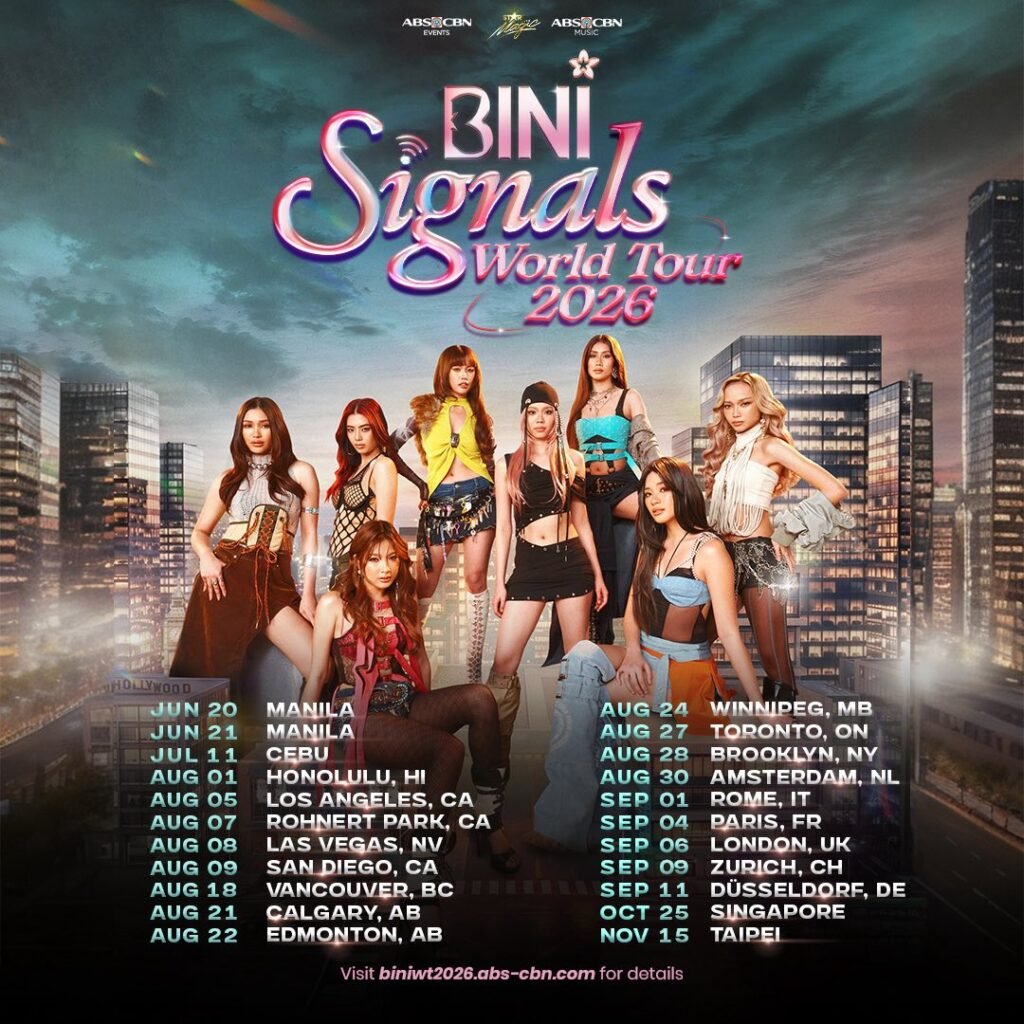
SB19, BINI, ALAMAT, G22, KAIA, and XONARA are all part of P-pop, but none of them is restricted to only one musical style.
Pop and dance-pop
Pop music often uses clear song structures, memorable melodies, repeated hooks, and choruses designed to stay in the listener’s mind.
Dance-pop places greater emphasis on rhythm and movement. It may use electronic sounds, pulsing beats, and energetic arrangements suited to choreography, parties, or everyday listening.
People may connect with pop because it communicates quickly. A listener does not always need several plays before recognizing the song’s central melody or emotion.
That accessibility should not be mistaken for a lack of creativity. Writing a strong pop hook still requires careful decisions involving repetition, timing, lyrics, melody, and vocal arrangement.
BINI’s “Pantropiko” has been described as tropical pop. Its bright sound, dance-friendly rhythm, and memorable hook helped it move easily between social media, live performances, and everyday playlists.
A listener drawn to pop may appreciate joy, familiarity, movement, or the immediate satisfaction of a chorus they can remember.
R&B and soul
R&B developed from African American musical traditions and historically drew from blues, jazz, gospel, and pop.
Contemporary R&B often emphasizes groove, bass, vocal phrasing, harmonies, and atmosphere. The way a singer delivers a line can matter just as much as the words being sung.
Listeners may notice the tension created when a vocalist holds back, the layers in the background harmonies, the movement of a smooth bass line, or small changes in tone that make a performance feel intimate.
R&B is not limited to romance or slow songs. It can sound confident, playful, sensual, reflective, or emotionally painful.
G22’s “First” has been described as a slow R&B ballad, showing a softer side of a group also known for bold hip-hop and pop-influenced releases.
Someone drawn to R&B may be listening for atmosphere, emotional detail, or the feeling created between the lyrics rather than only the story told by them.
Hip-hop and rap
Hip-hop is a wider cultural movement, while rap is the rhythmic and lyrical form most commonly heard in P-pop songs.
Rap places strong emphasis on rhyme, flow, rhythm, breath control, language, and delivery. The voice can function almost like another percussion instrument inside the production.
Listeners may connect with rap because they enjoy clever wordplay, personal or social storytelling, rhythmic intensity, confidence, or the technical skill involved in controlling language over a beat.
SB19’s “GENTO” uses multisyllabic rhymes and Filipino wordplay. Its identity depends not only on the production and choreography but also on how the words create rhythm and layered meaning.
A listener may choose hip-hop because they need energy before a difficult task. Another may focus on the writing, cultural references, or the satisfaction of hearing a rapper control timing and flow.
Rock and alternative influences
Rock commonly uses guitars, bass, drums, strong dynamics, and the energy created by musicians performing together.
Alternative music is a broader label that can include sounds outside conventional mainstream pop. It may be heavier, darker, less polished, or more experimental.
Listeners drawn to rock may appreciate the impact of live drums and guitars, emotionally forceful vocals, changing dynamics, or music that feels physically intense.
Rock listeners are often stereotyped as angry or rebellious, but intensity can express many things. It can communicate excitement, determination, freedom, frustration, or emotional release.
Sometimes a person does not want music to calm them down. They want a song powerful enough to meet the emotion they already feel.
SB19’s “Quit” has been described as a rock anthem, showing how heavier textures can exist within the wider P-pop scene.
Ballads and acoustic arrangements
A ballad is often described as a slower song centered on emotion, storytelling, melody, and vocal performance.
It is not always a separate genre in the strictest musical sense. In contemporary pop, however, the word is commonly used for songs that allow an emotion or narrative to unfold gradually.
Acoustic arrangements may use fewer electronic elements and place more attention on instruments such as guitar, piano, or strings. This can make every breath, pause, and change in the singer’s voice easier to hear.
Listeners may choose ballads because they want time to sit with a feeling. They may be drawn to the lyrics, vocal control, or memories connected with the song.
SB19’s “ILAW” uses acoustic instrumentation, strings, and emotionally exposed vocals. Its impact depends less on a dance beat and more on how directly the voices carry the message.
A person who enjoys ballads is not automatically sad or highly sentimental. They may simply appreciate music that does not rush through emotion.
Filipino cultural and traditional influences
Culturally rooted music is not one unified genre.
In this article, the phrase refers to songs that incorporate Filipino languages, instruments, rhythms, stories, or regional traditions into contemporary production.
These details can create different connections depending on the listener. Someone familiar with the culture may experience pride, recognition, or belonging. Someone encountering the sounds for the first time may feel curiosity and discover something outside their usual listening habits.
ALAMAT’s “Maharani” combines neo-soul, R&B, and trap with southern Philippine and maritime Southeast Asian influences. Its arrangement uses sounds associated with instruments such as the kanun, gamelan, and gangsa.
The song demonstrates how P-pop can participate in global popular music without removing the cultural details that make Filipino artists distinct.
Cultural influence does not need to replace contemporary production. It can exist within R&B, pop, hip-hop, electronic music, or other modern styles.
Why P-pop rarely stays inside one genre
Many P-pop songs cannot be placed neatly inside one category. A track may combine R&B, rap, rock, and electronic production to create contrast or express several emotions within the same song.
FELIP, the solo identity of SB19’s Ken, is one of the clearest examples of genre blending in the P-pop scene. His catalog moves through hip-hop, R&B, trap, pop-rock, heavy rock, and alternative sounds. His debut album 7sins brings together nine genre-diverse tracks, showing why one label cannot fully describe his music.
XONARA also introduced themselves through a blended sound. Their debut single “TABI” combines hip-hop, EDM, trap, and R&B, using forceful rap sections, chant-like hooks, and smoother moments to create contrast.
FELIP shows how one artist can move across genres throughout a solo catalog, while XONARA demonstrates how several influences can shape a group’s debut. Both reflect why P-pop cannot be reduced to one recognizable sound.
What music preferences may reveal
A favorite genre may reveal which parts of music catch someone’s attention first.
One listener may focus on melody and hooks. Another may notice lyrics and storytelling. Others may care most about rhythm, vocal tone, instrumentation, atmosphere, or cultural meaning.
Music preferences may also reflect what someone is seeking at a particular moment.
Pop can provide quick energy. R&B can create intimacy. Hip-hop can offer confidence and verbal expression. Rock can release intensity. Ballads can provide emotional space. Culturally rooted music can create belonging. Genre blending can satisfy curiosity.
But none of these preferences defines an entire personality.
The same person can enjoy several genres for different reasons. Taste changes through age, culture, friendships, memories, repeated exposure, and new life experiences.
Music taste should open doors, not create boxes
Genre labels help us describe music and discover sounds that may offer a particular experience.
They should not become rules about who is allowed to enjoy certain songs.
A pop listener can appreciate complex production. A hip-hop fan can love ballads. A rock listener can find comfort in R&B. Someone drawn to traditional Filipino influences can also enjoy electronic and experimental music.
P-pop makes these combinations visible because its artists are not restricted to one formula.
They can move across genres while remaining part of the same Filipino music movement. That variety gives listeners more than one way to enter P-pop and more than one reason to stay.
Your favorite genre may reveal what you need from music today.
Tomorrow, another sound may show you something you did not know you were ready to hear.