P-pop idols are usually introduced through what audiences can immediately see and hear: powerful vocals, synchronized choreography, confident rap delivery, and stage presence.
But some of their most important creative work happens long before the stage lights turn on.
Several P-pop idols help write lyrics, compose melodies, arrange vocal parts, create beats, and guide how a finished recording should sound. Their participation gives them another way to shape the stories, emotions, languages, and identities represented in their music.
These roles are related, but they are not interchangeable. A lyricist writes the words, while a composer develops the melody or musical composition. A producer helps shape the recording through its arrangement, instrumentation, beat, structure, and overall sound. Vocal arrangers decide how harmonies, layers, and individual vocal parts are organized.
Music creation is also collaborative. An idol may write one verse, compose a melody, build a beat, or co-produce a track with other musicians. The artists below are therefore songwriters, producers, or active contributors to both.
Pablo of SB19
Pablo has played a central role in shaping SB19’s music since the group’s early years.
Billboard Philippines reported that he has written more than 50 songs for SB19’s catalog, including releases such as “GENTO,” “MAPA,” and “Nyebe.” In 2025, the Filipino Society of Composers, Authors and Publishers also recognized him as one of its top five composers.
Through songs about ambition, family, pressure, fear, and personal growth, Pablo’s writing has helped define the emotional language associated with SB19. His work does not simply give the members material to perform. It helps establish the stories and perspectives that listeners associate with the group.
His solo career gives him further control over that process. His 2026 single “USAD” reflects his involvement in developing the ideas and sound behind his solo music. Pablo worked on the track with fellow RADKIDZ collaborators Josue, Weej, and Josh, while Emil Dela Rosa handled the mixing and mastering.
The song combines R&B, funk-influenced production, synths, and gospel harmonies to explore perseverance when progress remains difficult to recognize.
Pablo shows how sustained songwriting involvement can help build not only individual songs but the wider identity of an artist or group.
FELIP
FELIP, the solo identity of SB19’s Ken, approaches music as part of a larger creative world.
While discussing 7sins, he described a process that stretched from the album’s concept and the creation of beats to writing lyrics and developing its visuals. He also emphasized the importance of communicating his ideas to the team that helped turn his direction into a finished album.
That distinction matters. FELIP did not create every element alone, but he participated closely in connecting the album’s writing, sound, vocal delivery, genres, and visual presentation.
His involvement makes him more than the voice at the end of the recording process. He functions as a songwriter and hands-on creative collaborator whose ideas guide the world surrounding the music.
For FELIP, production is not separate from storytelling. The beats, vocal textures, mixing choices, and visuals all contribute to the emotional atmosphere he wants the listener to enter.
Colet of BINI
Colet’s contributions show two different ways an idol can participate in songwriting.
She wrote “8,” a song that eventually became closely associated with BINI’s journey and bond as a group. The track demonstrates her ability to create an original song that could later carry a larger collective meaning.
Her songwriting has become one of the creative skills recognized alongside her work as a vocalist and performer.
Colet also worked with Mikha and Stacey on BINI’s “Karera.” The original demo did not contain a rap section, so the three members wrote one to follow the dance break.
By adding material that was absent from the demo, they helped make “Karera” sound more specifically like a BINI song. Their contribution became part of the finished track without diminishing the work of its original composers and producers.
Colet’s example shows that meaningful participation does not always require writing an entire release alone. An idol can also reshape part of an existing song so that it better reflects the group performing it.
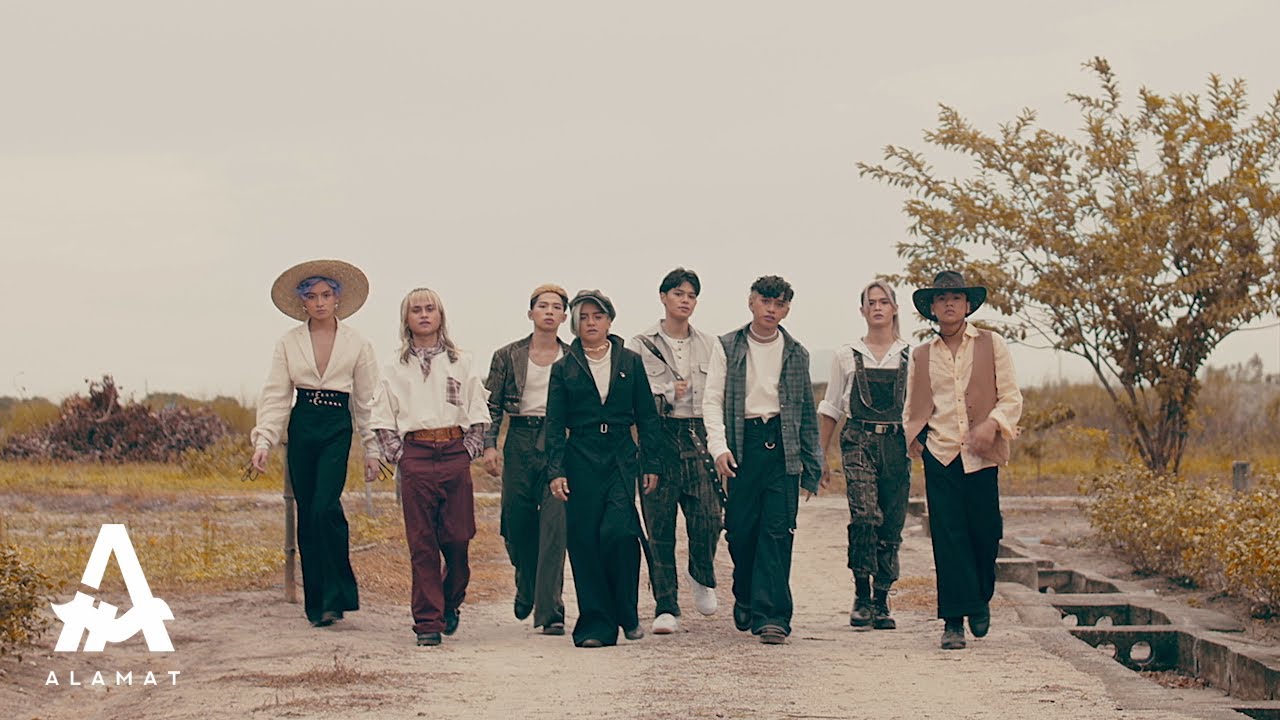
Alas of ALAMAT
For Alas, songwriting and production are closely connected with ALAMAT’s cultural identity.
Teen Vogue introduced him as the group’s rapper-producer. Alas explained that he was responsible for working with beats and researching local instruments, including the kudyapi and kulintang, that could be incorporated into ALAMAT’s contemporary music.
That role is especially important for a group built around Filipino languages, regional traditions, folklore, and cultural representation. ALAMAT’s identity cannot exist only through costumes, lyrics, or music videos. Its production must also carry those influences through rhythm, instrumentation, texture, and arrangement.
His work on ALAMAT’s album DESTINO gave him a particularly clear opportunity to lead that process. Alas served as a producer on several tracks, including “Hapag,” which he also helped compose and arrange.
For “Sinigang,” he explained that he based the production on the song’s lyrics and similar Filipino love songs, shaping its chord progression and bridge to reflect the sadness of the story.
His work shows that production can carry cultural and emotional meaning. Choosing an instrument, developing a beat, or shaping an arrangement can determine how Filipino influences and experiences are actually heard rather than merely mentioned.
AJ, Alfea, and Jaz of G22
G22’s debut album, The Dissection of Eve, allowed AJ, Alfea, and Jaz to take a larger role in shaping the group’s material.
The members contributed writing and composition across the record, with member-created songs exploring strength, vulnerability, romance, criticism, and their experiences as young Filipinas. Cornerstone Entertainment said that AJ, Jaz, and Alfea personally composed music and wrote lyrics for the project.
Their participation gave the album perspectives that came directly from within the group. Instead of only interpreting songs presented to them, the members helped decide what stories G22 would tell and how those ideas would be expressed.
AJ also wrote and composed “Filipina Queen,” an empowerment track that celebrates Filipina identity while reflecting the group’s established “Female Alphas” image.
G22’s work demonstrates the value of collective authorship. Each member can contribute a different perspective while still serving the identity of the same group.
JP Soliva and CHRLS of Press Hit Play
Press Hit Play shows how songwriting and production responsibilities can be shared within a group.
For “Pansamantala,” CHRLS, whose full name is Charles Rodriguez, handled the writing and composition, while JP Soliva and Theo Martel produced the track. The official credits clearly separate the song’s original words and melody from the work that shaped them into the final recording.
JP also takes on both roles in other Press Hit Play releases. For “Tell Me,” he received credit for the melody and lyrics as well as production alongside Disko, while Zi.O contributed the rap lyrics.
This internal division of work allows the members to contribute according to their strengths. CHRLS can establish a song’s emotional idea and composition, while JP can participate in turning that foundation into a complete recording.
Their process also shows why accurate credits matter. Saying that a song was “written by the group” can hide the different responsibilities involved, while complete credits reveal how several creative roles come together inside one song.
Creative involvement comes in different forms
An idol does not need to write and produce every element alone for their contribution to matter.
They may create an entire composition, write a rap verse, build a beat, arrange vocal harmonies, suggest an instrument, or help guide the overall sound of a project. Each role affects what the audience eventually hears.
This does not mean that idol-written music is automatically better or more authentic than songs created by outside professionals. P-pop depends on composers, producers, arrangers, engineers, musicians, and creative teams whose expertise remains essential.
The strongest projects often emerge when artists who understand their identities collaborate with specialists who can develop those ideas.
When idols participate in songwriting and production, they gain another way to decide which experiences become songs, what language those songs use, and how their stories reach the listener.
Their creativity does not begin when they step onto the stage.
It is already present in the words, melodies, beats, harmonies, and decisions that made the performance possible.