P-pop fandom has already proven that it can generate streams, sell concert tickets, fill venues, move merchandise, and create massive online engagement.
Now the Department of Tourism is testing something harder.
Can fandom actually make people travel?
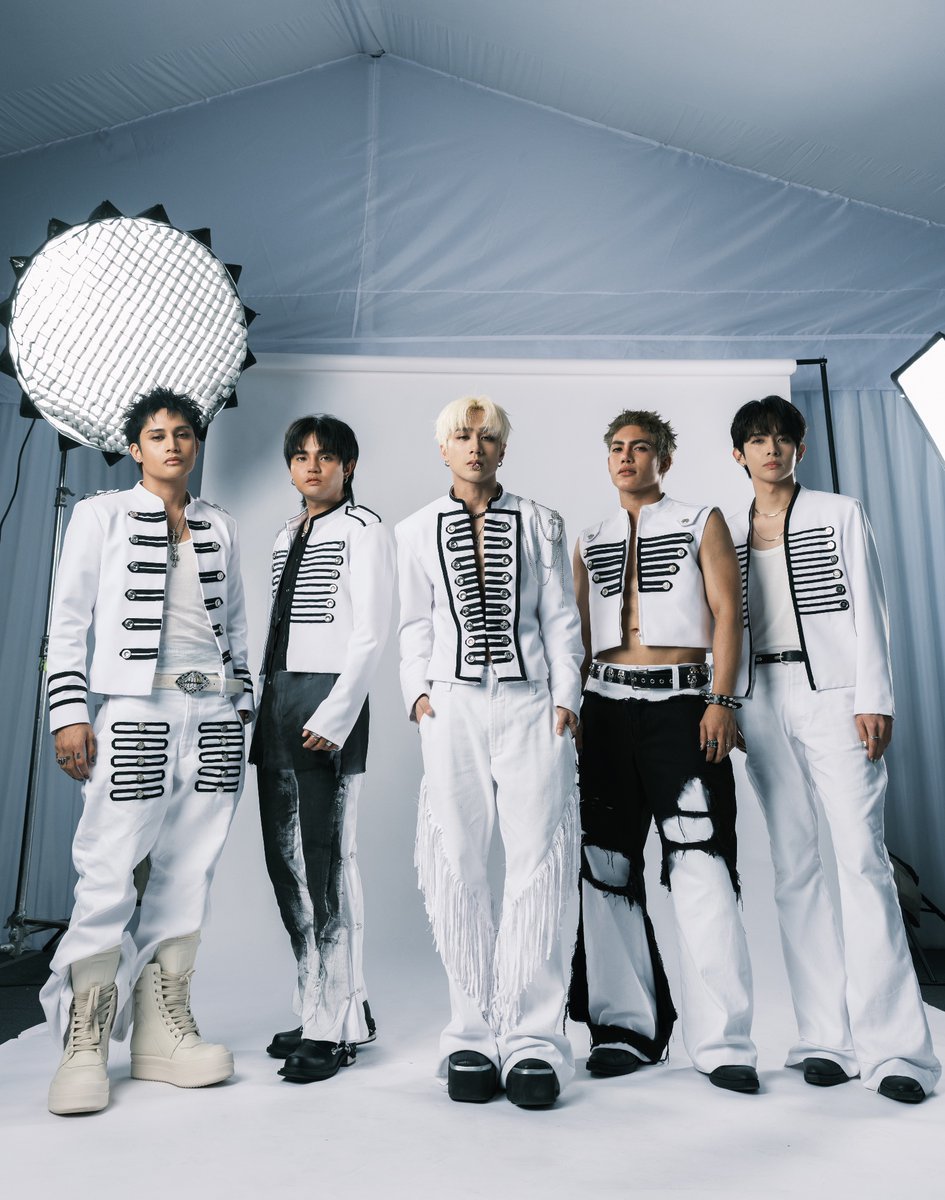
Through its Discover More To Love campaign, DOT launched dedicated travel microsites for SB19 and BINI, connecting destinations with the groups, their members, and their fandoms.
At first glance, it looks like another celebrity tourism campaign.
But the real story is bigger than that.
DOT is effectively testing whether the emotional connection fans already have with their idols can become actual tourism demand.
Not just online attention, but trips taken, accommodations booked, local food purchased, tours joined, and money spent in communities.
That is a much more meaningful test of P-pop’s influence.
Fans already travel for P-pop
For many fans, traveling because of an artist is already normal.
A concert in another city can mean transportation, accommodation, food, shopping, and sometimes an extra day spent exploring.
The artist may be the reason for the trip, but the spending does not stop at the venue.
The new DOT campaign asks whether that same behavior can happen even when there is no concert waiting at the destination.
Would a BLOOM visit a place because a BINI member introduced it?
Would an A’TIN become interested in a destination because it was featured through SB19?
Would fans build an entire trip around places connected to artists they already care about?
If they do, then P-pop could become more than something that brings people to concert halls.
It could become something that brings people to destinations.
The campaign is trying to turn fandom into participation
DOT’s microsites do more than place SB19 and BINI beside scenic photographs.
They try to involve the fandoms themselves.
BINI’s page encourages BLOOMs to share travel experiences through #BloomTrails, while SB19’s page allows A’TIN to leave dedication messages paired with Mahalima songs. The sites also connect visitors with destinations and travel offers from DOT-accredited tourism partners.
That matters because fans are not being treated only as viewers.
They are being encouraged to participate.
And fandom often becomes more powerful when people feel part of the experience.
A destination can become connected to a member, a song, a memory, or a fan community.
That emotional connection may make a place feel more personal than a standard tourism advertisement ever could.
But the real question comes after the fan closes the website.
Attention is not tourism impact
Strong engagement can show that people are interested.
It cannot, by itself, show that tourism increased.
A fan can like or share a post in seconds. Traveling requires money, time, transportation, accommodation, and planning.
If we want to know whether SB19 and BINI are genuinely influencing tourism, the more important numbers come later.
How many people actually traveled?
How many travel packages were booked?
Did fans visit destinations they discovered through the campaign?
Did #BloomTrails translate into real trips rather than online participation alone?
Did local hotels, restaurants, tour operators, transport providers, and other businesses receive additional customers?
And did the campaign help destinations that normally receive less attention?
Those results would tell us far more about the economic power of a fandom than engagement figures alone.
Why SB19 and BINI are useful test cases
DOT could hardly have chosen two stronger fandoms for an experiment like this.
A’TIN and BLOOMs are already accustomed to supporting their artists through concerts, streaming, voting, merchandise, events, and online campaigns.
But tourism asks more from a fan.
It asks them to physically go somewhere.
That makes SB19 and BINI useful test cases for how far fandom influence can realistically extend.
If even their highly active fandoms struggle to translate interest into actual travel, that would reveal the limits of celebrity-driven tourism.
But if fans do begin traveling because of these campaigns, a much bigger possibility opens.
P-pop artists could eventually help introduce fans not only to famous tourist destinations, but also to hometowns, regional food, cultural traditions, local communities, and places that rarely receive national attention.
Imagine an artist leading fans toward a town they had never considered visiting before.
Or a regional festival gaining new visitors because a P-pop artist introduced it to their fandom.
That is where this becomes bigger than celebrity marketing.
The real test is whether fans move
P-pop growth is usually measured through streams, views, chart positions, international performances, and sold-out shows.
Those numbers tell us how many people are paying attention.
Tourism asks a different question.
What does that attention make people do?
The real test is no longer whether SB19 and BINI can attract interest.
They already can.
The test is whether that interest can change behavior.
If fans begin visiting destinations they discovered through these campaigns, booking accommodations, eating at local businesses, joining tours, and sharing those experiences with other fans, then DOT will have demonstrated something much bigger than the value of a celebrity endorsement.
It will have shown that P-pop fandom can become a measurable tourism market.
And that should change how we talk about the influence of P-pop.
Streams tell us people are listening.
Sold-out concerts tell us people are willing to show up.
Brand partnerships tell us companies see commercial value.
But getting someone to choose a destination, spend money there, and experience a part of the Philippines because an artist inspired them to go?
That is influence moving from the screen into the real economy.
So the success of this campaign should not end with reports about likes, shares, engagement, or website visits.
The real numbers worth watching are trips taken, packages booked, destinations discovered, and local businesses reached.
Because if SB19 and BINI can move fans not only toward a song or a stage, but toward actual places across the country, then P-pop is no longer simply helping sell Filipino music.
It is helping sell the experience of the Philippines itself.