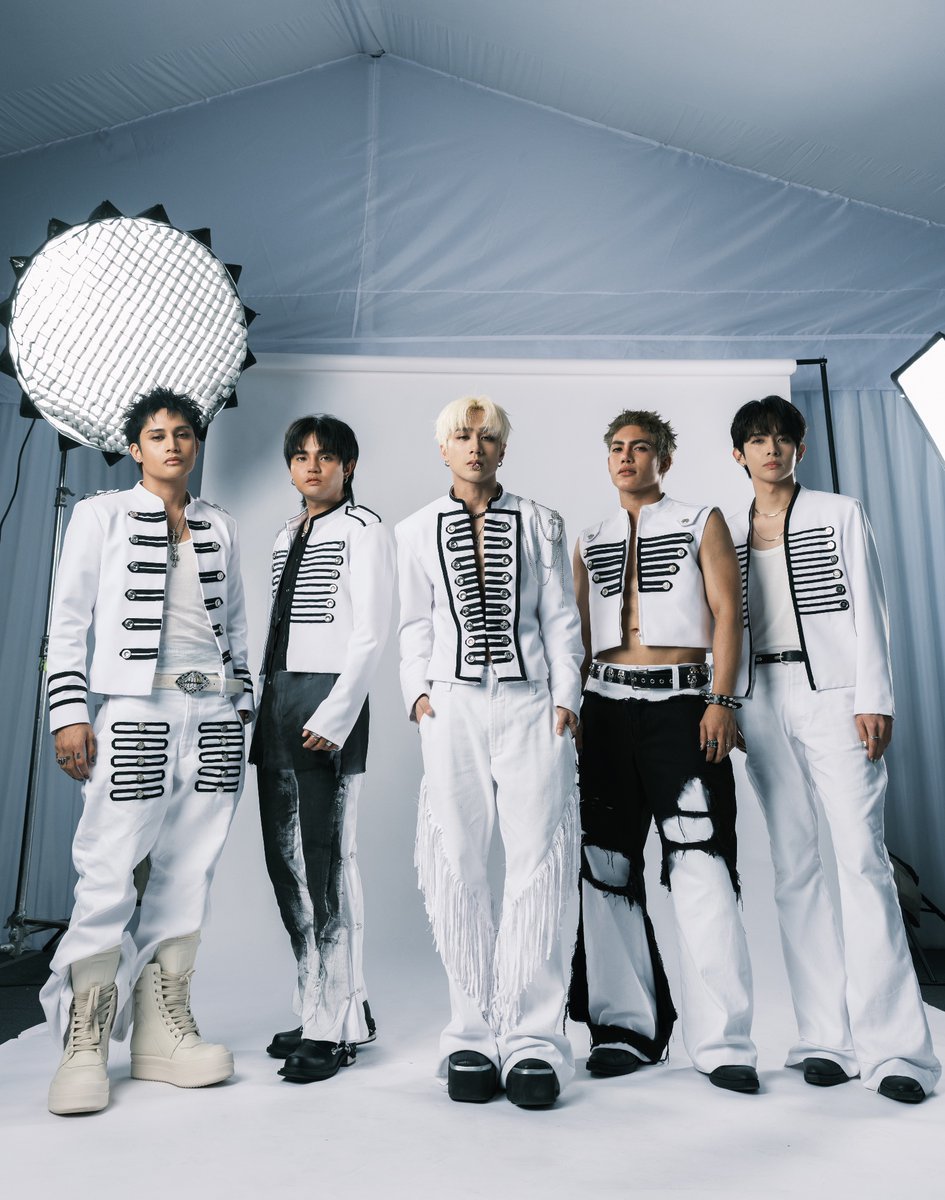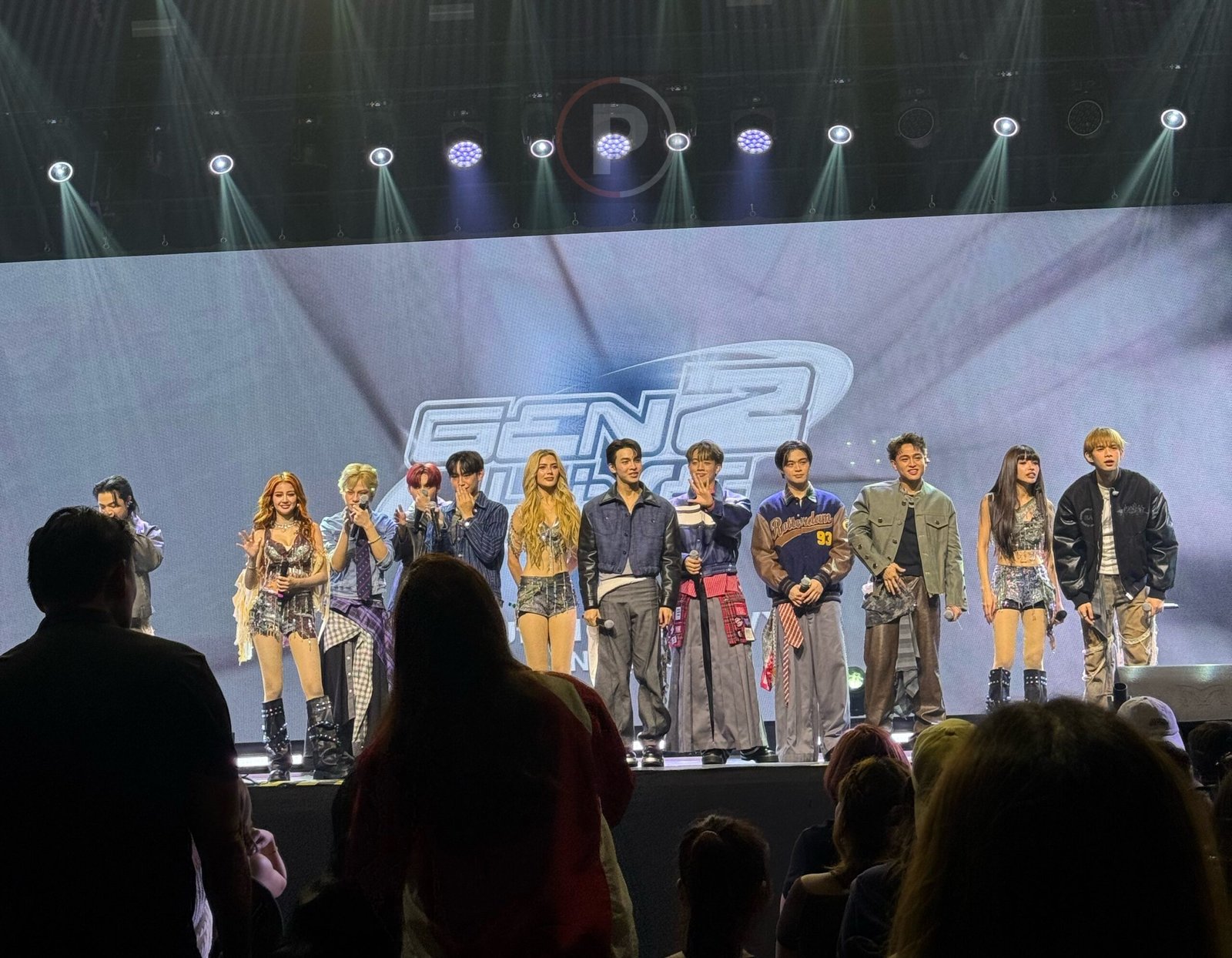
A good song will always matter.
But in today’s P-pop scene, is a good song still enough?
That question feels more relevant as the scene becomes more crowded. New groups, solo releases, comeback singles, performance videos, fan cams, teaser campaigns, and launch events are all competing for the same attention. A song can trend for a day. A teaser can create noise for a few hours. A music video can get fans excited during release night.
But what happens after that?
The releases that last usually give fans something more than a chorus to remember. They give them a look, a mood, a performance, a visual identity, or a world that makes the song easier to return to.
That does not mean every P-pop release needs a massive budget. It does not mean every artist needs a cinematic music video or an expensive set. Some releases can look polished and still leave little behind.
The real question is not whether a rollout looks good.
The real question is whether it makes the artist easier to remember.
A Good Song Needs More Than Attention
P-pop has always been tied to performance. Fans do not only listen to a song. They watch how it moves, how the members carry it, how the styling supports it, and how the concept comes alive on screen or on stage.
That is why visual rollouts still matter.
A strong rollout can turn a chorus into a dance challenge, a costume into an era reference, a performance clip into a discovery moment, or a launch event into a shared fan memory. It gives the song a shape that fans can recognize even before the chorus plays.
But that shape has to mean something.
Looking polished is no longer enough. In a crowded P-pop landscape, a release needs more than visibility. It needs identity. It needs a clear answer to a harder question: why should this moment be remembered?
G22 Turned “Groove On” Into A Fan Moment
G22’s “Groove On” music video is a strong current example because the rollout did not treat the MV as just another upload.
Before its YouTube release, the video had an advance screening at Robinsons Galleria. That detail matters because it turned the premiere into a fan experience. It gave fans a reason to gather, anticipate, and treat the release as an event.
That kind of rollout helps extend the life of a song.
“Groove On” also gives fans a mood they can associate with G22: bright, confident, playful, and performance-driven. The road trip energy, summer styling, choreography, and colorful settings help make the release easier to place within the group’s current era.
For G22, the strength of the rollout is not only that the music video looked fun. It is that the release gave fans something specific to remember. It connected the song to movement, personality, and shared fan participation.
That is what visual identity should do.
It should make the song easier to hold onto.
For XONARA, “TABI” Was Also A First Impression
For a debuting group, visuals carry even more weight.
XONARA’s “TABI” was not only a first single. It was the group’s first serious chance to tell people who they are. Before a new act has a long discography, audiences often remember the attitude first.
That is why the rollout mattered.
The bold styling, street setting, choreography, and launch experience around XONARA’s World helped give the group a clearer first impression. It made the debut feel less like a simple upload and more like an introduction to a group with its own energy.
That is important for new P-pop acts. A debut does not only need to sound good. It needs to make the group distinct enough for people to want to follow what comes next.
XONARA understood that a debut is not just heard.
It is seen.
And in a scene where many groups are fighting for space, that first visual impression can decide whether casual listeners stop scrolling or stay curious.
KAIA Shows That A Performance Clip Can Be A Rollout
Visual rollouts are not limited to official music videos.
KAIA’s Backyard Live Spotlight performance of “YOU DID IT” and “Takedown” proved that a performance video can become a discovery tool on its own. It did not need a traditional MV structure to travel. The performance itself was the moment.
That is one of the most useful lessons for P-pop artists right now.
Not every group can release a large-scale music video for every song. But a well-shot performance clip, when done with strong vocals, styling, camera work, choreography, and group energy, can still introduce an artist to new audiences.
For KAIA, the performance reminded viewers of the group’s strengths. It showed vocal control, confidence, chemistry, and stage presence in a format that was easy to share. More importantly, it gave casual viewers a quick reason to understand why fans pay attention to them.
That is what a good visual moment should do.
It should make the artist clearer.
KAIA’s example also expands the conversation. A rollout does not always need to be built around a music video. Sometimes, the clearest visual identity comes from simply showing what the group can do.
SB19’s “DAM” Shows What Clarity Looks Like
When talking about visual world-building in P-pop, SB19’s “DAM” remains one of the clearest examples.
But “DAM” should not be seen only as a big-budget standard. Its real strength is clarity.
The music video worked because the visual scale matched the song’s intensity. Its dark fantasy imagery, medieval-inspired world, dramatic styling, and cinematic atmosphere did not feel random. They supported the song’s ambition and made the release easier to remember.
That is the lesson.
Not every P-pop act needs to create a fantasy universe. Not every group needs to match the scale of “DAM.” But every strong rollout needs a clear connection between the sound, the image, and the artist’s message.
The best visuals are not just beautiful.
They explain the era.
But Should A Good Song Need All Of This?
This is where fans may disagree.
Some fans may argue that a truly good song should stand on its own. If the melody, lyrics, vocals, and production are strong, the release should not need an elaborate concept to survive.
That is a fair point.
After all, music should not be treated as secondary to visuals. A beautiful music video cannot save a weak song. A polished concept cannot replace emotional connection. If the track itself does not move people, the rollout can only do so much.
But others may see it differently.
In a crowded P-pop scene, even a good song can fade quickly if it has no clear identity attached to it. Fans are not only choosing what to stream. They are choosing what to talk about, edit, share, defend, recommend, and remember.
That is why the debate matters.
Are fans remembering the song itself, or are they remembering the era around it?
The answer may be both.
A strong song gives the release its heart. A strong rollout gives it memory.
Looking Good Is Not Enough
This is where the challenge begins.
Not every visual rollout automatically becomes memorable. Some releases have polished sets, stylish outfits, clean camera work, and good lighting, but still leave little behind because the concept does not reveal anything specific about the artist.
That is the difference between decoration and identity.
Decoration makes a release look nice.
Identity makes it easier to remember.
P-pop fans can feel that difference. They know when a concept is only there because it looks trendy. They also know when the visuals actually deepen the song, sharpen the group’s image, or give fans a reason to return.
That is why the strongest rollouts are not always the most expensive ones. They are the ones with the clearest purpose.
G22’s “Groove On” works because it turns the release into a fan moment. XONARA’s “TABI” works because it gives a new group a clear first impression. KAIA’s performance video works because it turns live skill into a shareable discovery point. SB19’s “DAM” works because the visual world strengthens the song’s scale and story.
Different approaches, same standard.
The visuals have to make the artist more recognizable.
The Next Battle Is Recall
As P-pop grows, attention will become harder to keep.
There will be more artists, more songs, more teasers, more comeback announcements, and more fan-driven moments competing for the same timeline. In that environment, a song cannot only be good for one day. It needs something fans can carry with them after the first listen.
That is why recall matters.
When fans think of a release, what image comes to mind? What performance do they replay? What outfit, scene, setting, choreography, or launch moment do they associate with the song? What part of the rollout makes the artist easier to recognize?
These questions matter because P-pop is not only growing through music.
It is growing through memory.
The artists who stand out will not simply be the ones with the most polished visuals. They will be the ones who know how to make each release feel specific.
A good song can catch attention.
A clear world can make people stay.
How About You?
Do you think a good P-pop song is enough on its own, or does it need a strong visual rollout to become truly memorable?
Which P-pop release do you think had the clearest world, concept, or era so far? Tell us in the comments and let us know which rollout stayed with you the most.